

Advances in Liquid Chromatography Separations Employing Carbon Particles
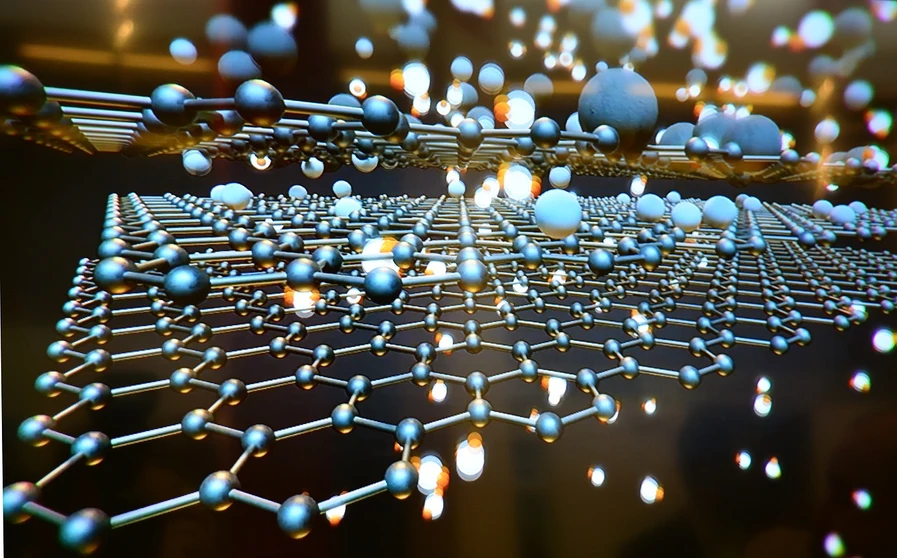
High performance liquid chromatography (HPLC) separations of both small and large molecules have mostly been performed with silica-based particles since the 1960s. Reasons for this preference include the mechanical stability of silica, the ease of silica particles to be bonded to by alkylsilanes, and the ability to manufacture these particles with high lot-to-lot reproducibility. However, there are disadvantages to using silica particles for HPLC including a limited pH range, limited temperature stability of bonded phases, and the potential for secondary interactions between residual silanol species on the base silica particle and the analyte(s) of interest. Knox and colleagues developed and commercialized the first column packed with carbon particles in the early 1990s in the hopes of circumventing the issues associated with silica particles.
This presentation will focus on recent advances, in the past two years, in 'carbon-HPLC' in the analysis of compounds classically associated with being difficult to separate by conventional 'silica-HPLC.' After a brief introduction on the theory and practice of separations employing carbon particles, aspects of method development using carbon particles will be discussed. Finally, application examples using these carbon particles will be showcased with an emphasis on the ability to translate difficult, irreproducible, and/or non-mass spectrometry (MS) compatible methods into user-friendly, reproducible, and MS-compatible methods.
By attending this webinar you will...
- understand the polar retention effect on graphite (PREG) mechanism and how it can be used in chromatographic separations of polar compounds
- gain an appreciation on how porous graphitic carbon-packed columns can complement current, silica-packed columns in a chromatographer’s repertoire
- understand how to develop and troubleshoot methods when using columns packed with porous graphitic carbon.
Presenter: Cory Murcaro (Merck KGaA)
Cory E. Muraco is the Global Franchise Product Manager, Liquid Chromatography Technology, at Merck KGaA and is responsible for developing and executing the marketing and R&D strategy surrounding new HPLC column technology


