

13. Česká konference hmotnostní spektrometrie 2025 a 11. Neformální proteomické setkání - Den 2
ČSHS: 13. Česká konference hmotnostní spektrometrie 2025 a 11. Neformální proteomické setkání - Den 2
Druhý den 13. České konference hmotnostní spektrometrie 2025 začal ranním workshopem firmy Pragolab. V Sekci III jsme se přesunuli od low-input proteomiky na Orbitrapu Astral a možností single-cell analýz k integrované multiomické klasifikaci triple-negativního karcinomu prsu a nakonec k proteomice mateřského mléka.
Po krátké pauze následovala sponzorská přednáška Amedis se SCIEX ZenoTOF 8600 a dopolední program zakončil workshop Genetica zaměřený na Quantum-Si a NGPS. Odpolední Sekce IV pak otevřela úplně jinou perspektivu – omiky v rostlinné biologii. Účastníci se dozvěděli, jak kombinace proteomiky, lipidomiky a metabolomiky odhaluje strategie adaptace rostlin na chlad a sucho, jak redoxní proteomika pomáhá chápat odolnost pšenice vůči suchu a jak alternativní epigenetické mechanismy v řasách zpochybňují „zažité jistoty“ kolem PRC2. Bylo inspirující sledovat, jak stejná instrumentace slouží úplně jiným biologickým otázkám.
Vrchol odborné části dne přišel s plenární přednáškou Bernharda Kustera o tom, jak chemická proteomika posouvá farmakologii směrem k mechanismu účinku a systémovému pohledu na léky. Následující blok Flash Talks zahrnoval témata, která se týkala například využití propionové kyseliny jako „drop-in“ aditiva zvyšujícího citlivost LC-MS analýz, multiomiky endometriózy, nebo webového nástroje Human IMPs.
Večerní program patřil zejména workshopu společnosti Bruker, který přiblížil nejnovější instrumentální trendy v proteomice a metabolomice (timsTOF, timsOmni, timsMetabo) a přednášce vítěze Ceny Josefa Chmelíka, kterou se stala Blanka Holendová. Následná schůze ČSHS, neformální setkání Proteomické sekce ČSBMB a slavnostní večeře v Solnici s možností večerní prohlídky Českých Budějovic vytvořily skvělý rámec pro networking – druhý den tak skončil stejně intenzivně, jako začal.
Program
Čtvrtek 20. listopadu 2025
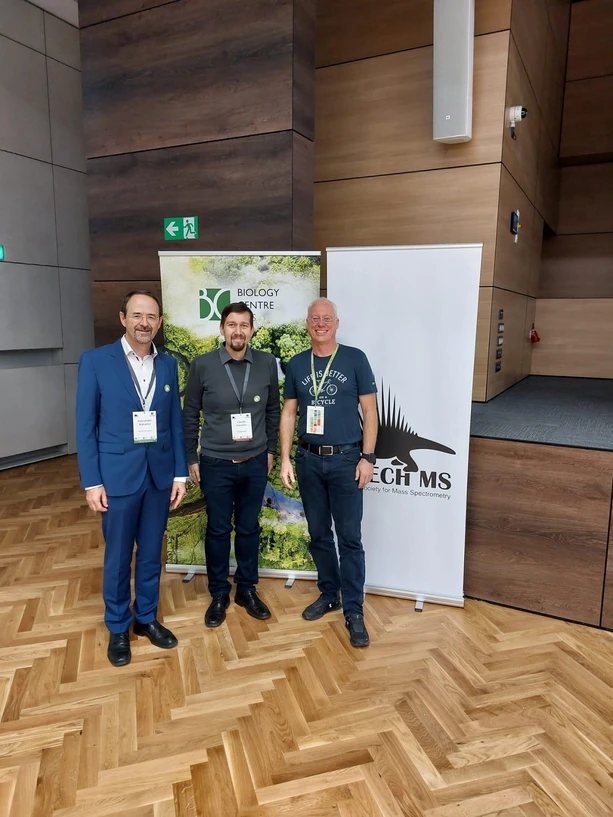 ČSHS: 13. Česká konference hmotnostní spektrometrie 2025 a 11. Neformální proteomické setkání - Den 2 (Zleva Alexander Makarov, Zdeněk Kukačka a Bernhard Kuster)
09:00 - 09:40 Workshop Pragolab
09:40 - 10:40 Sekce III (Chairperson: Tomáš Oždian)
09:40 - 10:00 ThO-08: Low-input proteomics using the Orbitrap Astral
- Talacko Pavel
Proteomics has undergone a significant advancement in recent years, both in terms of sensitivity and the number of identified proteins. This progress has been driven by the widespread implementation of data-independent acquisition (DIA) and the emergence of new generations of mass spectrometers. The Orbitrap Astral represents a recent innovation within the Orbitrap platform, featuring a novel Astral analyzer characterized by exceptionally high sensitivity, rapid acquisition speed, and high resolving power. The introduction of this technology has markedly expanded the limits of detection in proteomic analyses, enabling the characterization of low-abundance protein populations that frequently play crucial roles in diverse cellular processes. Consequently, it substantially reduces the amount of sample material required for comprehensive analysis, which is particularly advantageous in single-cell proteomics.
At our facility, we have optimized a workflow for the analysis of sub-nanogram sample quantities, based on nano-flow HPLC coupled to the Orbitrap Astral mass spectrometer. Under these conditions, we are able to identify over 4,300 proteins from as little as 125 pg of cellular lysate, making single-cell proteomics experiments accessible to our users.
10:00 - 10:20 ThO-09: Integrated multiomics classification of triple negative breast cancer
- Bouchal Pavel
Triple-negative breast cancer (TNBC) is the most aggressive and heterogeneous BC subtype [1] primarily treated with systemic chemotherapy. To identify novel therapeutic targets, we performed a multiomics study using LC-diaPASEF-MS/MS-based proteomics, RNA sequencing, and whole-exome sequencing, generating an integrated dataset for 96 samples. A hybrid proteomics assay library contained 244,464 precursors and 11,564 protein groups (FDR=1%) [2]. Hierarchical clustering utilizing the proteomics data for 1,223 mostly correlated transcript–protein pairs stratified TNBC into 7 clusters designated as (i) mesenchymal stem like, (ii) basal/mesenchymal, (iii) cell cycle, (iv) immunomodulatory, (v) luminal androgen receptor, (vi) ER+metabolism and (vii) immunomodulatory+cell cycle. Among 225001 germinal mutations identified, high impact ones included those in known tumor suppressor genes (BRCA1, BRCA2, BARD1, BRIP1, PALB2, and CHEK1), distributed mainly in Clusters 7 and 2. Out of 12070 somatic mutations, TP53 was the mostly mutated gene (in 67.71%), with the highest frequency in cluster 7 (86.36 %, p=0.038). Protein quantitative trait locus (pQTL) analysis identified gene variants asssociated with changes in protein levels. Analysis of proteomics data using alteredPQR tool assigned alterations of protein complexes involved in hormonal signaling and lipid metabolism to cluster 5, immune response and interferon signaling to clusters 4 and 7, extracellular matrix organization to cluster 2, cell cycle regulation and DNA repair to cluster 3, and protein phosphorylation and fibrinolysis to cluster 6. In a summary, our study represents the most complete proteomics-driven multiomics study of the set of TNBC tissues, providing highly relevant molecular classification of the patients.
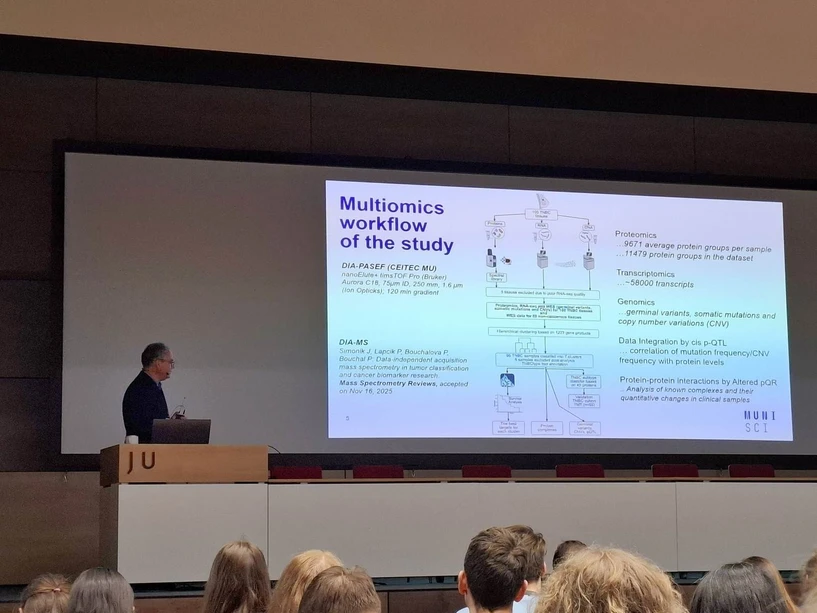 ČSHS: 13. Česká konference hmotnostní spektrometrie 2025 a 11. Neformální proteomické setkání - Den 2 (Integrated multiomics classification of triple negative breast cancer, Pavel Bouchal)
10:20 - 10:40 ThO-10: Proteomics of human breast milk
- Konik Peter
Breast milk is a complex mixture of proteins, fats, carbohydrates, minerals, vitamins, ions and hormones produced by the mammary glands of mammals, including humans. The dominant protein of breast milk is casein, the main “nutritional” protein; less abundant are alpha lactalbumin that regulates lactose production; lactoferin, an iron transporter; lysosyme, an antibacterial enzyme; and secretory immunoglobulins, aiding the newborn’s immunity. In the early stages of development, it is the sole source of nutrients for the newborn. In cases, where mother’s milk is not available, such as pre-term births, there is a need for breast milk supplementation or usage of donated milk from other mothers. Donated milk can be stored frozen for up to 3 months, however, milk quality, stability and sterility is a concern. In this study, we investigated protein composition of breast milk that has been sterilised by heat (pasteurisation) or pressure (pascalisation). The preliminary results show that there are no significant differences between the sterilisation methods regarding protein content and quantity, however, they suggest some changes in structure in some less abundant proteins.
10:40 - 11:00 Sponzorská přednáška – Amedis: SCIEX ZenoTOF 8600 – Sensitivity, Speed, Flexibility, Robustness
- Tomáš Korba
11:00 - 11:30 Přestávka na kávu
 ČSHS: 13. Česká konference hmotnostní spektrometrie 2025 a 11. Neformální proteomické setkání - Den 2 Přestávka na kávu
11:30 - 12:10 Workshop Genetica: Quantum-Si: Advancing Proteomics: an introduction to NGPS
- Barry Ewen
12:10 - 13:10 Sekce IV (Chairperson: Marek Vrbacký)
12:10 - 12:30 ThO-11: Development-dependent molecular strategies of stress adaptation in plants
- Černý Martin
Understanding how plants navigate environmental adversity requires peering into the molecular choreography of stress adaptation, a view now achievable through mass spectrometry-based omics. By integrating proteomics, lipidomics, and metabolomics as complementary molecular lenses, we unveiled the hidden architecture of cold acclimation and drought resilience in Arabidopsis thaliana. Thousands of responsive proteins emerged from the data, revealing development-dependent survival strategies in which tissue age plays a decisive role in shaping stress mitigation and resilience. Young and aging leaves express distinct molecular dialects under stress, suggesting an intergenerational compromise within the plant body. In total, 2,064 early-response proteins were identified during cold treatment, reflecting extensive proteome reprogramming that underpins acclimation. Under drought conditions, genotypes with contrasting resilience revealed age-dependent molecular mechanisms that bolster plant survival, identifying several hundred candidate targets for enhancing drought tolerance. This omics-driven narrative reframes plant stress biology—from static gene inventories to dynamic molecular ecosystems—charting pathways toward crops engineered not merely to survive, but to thrive under environmental duress.
12:30 - 12:50 ThO-12: Deciphering adaptive shifts in the redox proteome of wheat seedlings under drought
- Danchenko Maksym
Global warming increases the frequency of extreme drought events. Limited water availability for crops negatively affects yields in many regions of the planet, including Europe, thereby compromising food security. Bread wheat (<i>Triticum aestivum</i>) is vital for human nutrition. Exploring responses of contrasting plant genotypes enables a complex understanding of phenotypes challenged by drought and, eventually, facilitates the design of resilient crops.
Drought affects crops on molecular, biochemical, physiological, and morphological levels. Moreover, plant responses to water shortage stress are frequently associated with posttranslational modifications (PTMs) of versatile proteins. Such modifications, including reversible oxidation of cysteine thiols (redox), regulate protein functions: Activity, stability, subcellular localization, and signal perception/transduction. Redox proteome dynamics in plant leaves under stress conditions is a novel emerging field of study.
The redox state of protein cysteines regulates plant resilience during water shortage and recovery. We explore the variable impact of water deprivation and recovery on the redox proteome dynamics in leaves of wheat cultivars contrasting in drought tolerance using resin-assisted capture. The study started elucidating drought- and recovery-responsive components of the wheat redox proteome, yielding candidate markers and pathways of resilience, supported by the spatial distribution of reactive oxygen species (ROS) and expression dynamics of redox-regulating genes, thereby linking biochemical, cellular, and molecular changes. New knowledge will facilitate maintaining a stable yield under an extreme climate.
12:50 - 13:10 ThO-13: No Mark, No Problem: Alternative Epigenetic Silencing in Algae
- Lochmanová Gabriela
Precise timing of gene expression is crucial for transitions between developmental stages in eukaryotic organisms. Polycomb Repressive Complexes (PRCs) play a key role in specifying cell identity and act as central epigenetic regulators in multicellular development. Among them, PRC2 is a multi-subunit histone methyltransferase that catalyzes the trimethylation of lysine 27 on histone H3 (H3K27me3), a conserved mark of facultative heterochromatin. In plants, PRC2 loss leads to severe developmental defects, while in humans, its dysregulation is linked to various diseases, including cancer, neurodegenerative disorders, and developmental defects. These observations support the long-standing view that PRC2 is both essential and evolutionarily conserved across eukaryotes.
However, our recent findings challenge this assumption. Using mass spectrometry-based proteomics—including data-dependent acquisition and parallel reaction monitoring—we examined post-translational modifications in histone extracts and pull-down samples of selected algal species. Surprisingly, H3K27me3 was not detected in certain algae, suggesting the existence of alternative mechanisms for facultative heterochromatin formation that differ from those in land plants.
These results reveal previously hidden evolutionary divergence in PRC2 composition and function, particularly within the diverse algal lineage, and raise new questions about the molecular mechanisms underlying epigenetic silencing in these species.
13:10 - 14:00 Oběd
14:00 - 14:50 Plenární přednáška II: Proteomics advancing pharmacology
- Prof. Bernhard Kuster (Technical University of Munich)
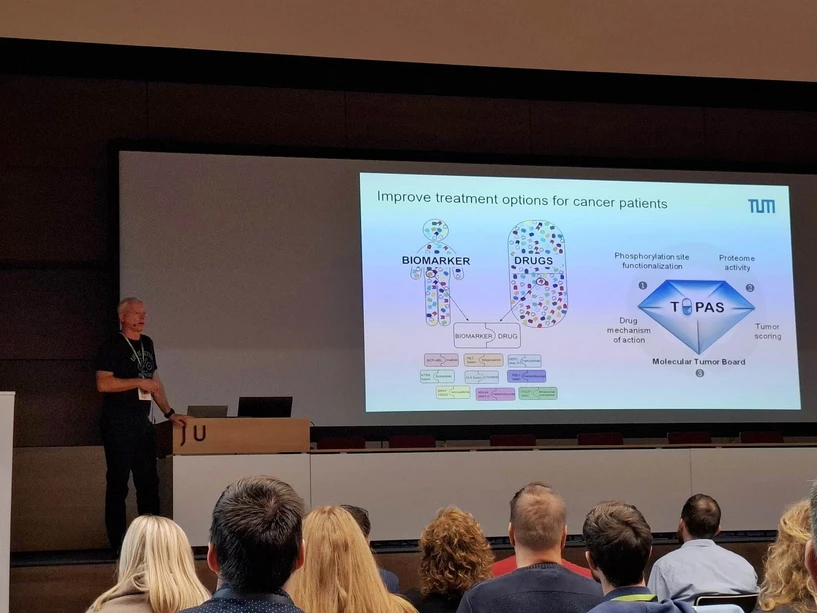
This talk will focus on recent chemical proteomics work from my laboratory aiming to advance mechanism-centric pharmacology by merging unbiased target engagement with global proteome response measurements, all in a full dose-dependent manner. Building on dose-dependency as a unifying concept, we established strategies that decode compound action beyond single targets, pathways and transcriptional programs. The decrypt, decryptM and decryptE frameworks align concentration series with proteome-wide responses to infer direct binding, pathway engagement, and adaptive rewiring, enabling mechanism-of-action inference and biomarker nomination in a single experiment. Applying these paradigms to a pharmacologically rich space, we mapped the target landscape of ~1,000 kinase inhibitors, revealing pervasive polypharmacology, unexpected lipid and metabolic kinase engagement, and chemotypes with privileged selectivity patterns. These resources can rationalize phenotypic effects and guide repurposing and lead optimization campaigns. Complementary studies extended the approach to epigenetic modulators, exemplified by quantitative proteomic dissection of lysine deacetylase inhibitors that connected target engagement to dose-dependent proteome remodeling and functional outcomes. Together, these advances operationalize chemical proteomics as an engine for systems pharmacology: they provide scalable, label-free measurements of drug–protein interactions, capture on- and off-targets alongside downstream consequences, and yield actionable maps that bridge medicinal chemistry to cellular physiology. Open data and software from these studies furnish community benchmarks for selectivity modeling, target deconvolution, and network-aware drug design. Looking ahead, integration with high-throughput sample preparation, ultra-fast LC.MS/MS and AI-driven analysis promise routine profiling large compound libraries and anticipatory modeling of drug responses across biological contexts including cancer patients.
ČSHS: 13. Česká konference hmotnostní spektrometrie 2025 a 11. Neformální proteomické setkání - Den 2 (Proteomics advancing pharmacology, prof. Bernhard Kuster, Technical University of Munich)
14:50 - 15:40 Flash Talks II
Propionic acid boosts sensitivity in high-flow RPLC-MS proteomics compared to formic and acetic acid (ThS-07)
- Lenčo Juraj
Formic acid has long been the default acidic additive in mobile phases for RPLC-MS-based bottom-up proteomics due to its balance between chromatographic performance and electrospray ionization (ESI) efficiency, while most efforts to improve sensitivity have rather focused on sample preparation and MS instrumentation. However, recent studies have revived interest in acetic acid, revealing that its lower ionic strength enhances ESI efficiency without sacrificing chromatographic performance. Inspired by this concept, we investigated propionic acid, a homologous compound that was overlooked as a mobile phase additive. By further weakening ionic strength and lowering mobile phase surface tension, propionic acid yielded an average 12% increase in peptide identifications over acetic acid across interlaboratory datasets using analytical- and microflow LC-MS platforms, various column chemistries, and levels of sample complexity. Importantly, chromatographic performance remained virtually unaffected, with only a modest decrease in retention. The mobile phase containing propionic acid was stable, instrument-safe, and introduced negligible MS background noise. These findings challenge the long-standing reliance on formic acid and establish propionic acid as a potent, drop-in alternative for high-flow LC-MS workflows prioritizing detection sensitivity and depth of proteome coverage.
Towards Biomarker Discovery: Multiomics analysis of Endometriosis (ThS-08)
- Oždian Tomáš
Endometriosis is a chronic inflammatory disease characterised by the presence of endometrial-like tissue outside the uterus. Affecting approximately 10% of reproductive-age women, its diagnosis is often delayed due to nonspecific symptoms and a lack of reliable biomarkers. In this study, we employ a multiomic approach to investigate plasma-based molecular signatures associated with endometriosis. Plasma samples from patients (Grades I–IV), suspected cases, and matched controls underwent parallel proteomic, non-targeted metabolomic, and lipidomic analysis using extraction protocols optimised for both metabolite and lipid profiling.
Proteomic analysis consisted of DIA analysis and search through the DIA-NN search instrument. Metabolomic and lipidomic data preprocessing included peak picking, quality control-based signal correction (QC-RSC), and statistical filtering using the open-source PySPRESSO pipeline. Principal Component Analysis (PCA) and supervised Partial Least Squares Discriminant Analysis (PLS-DA) revealed clear group separations, particularly between control and diagnosed cases.
In the proteomics branch, cellular oxidant detoxification and the redox-active centre were among the most influenced processes.
In the lipidomics branch, lipids such as PC(16:0_20:5) showed differential abundance and fragmentation patterns between groups. These findings underscore the diagnostic potential of untargeted omics approaches in endometriosis. Multi-omic Factor Analysis (MOFA) highlighted latent factors that correlated with disease class and diagnosis. Candidate features were selected based on volcano plots and statistical metrics.
Future work will focus on expanding compound annotation, integrating proteomics, and refining predictive models for clinical translation.
Integrated proteogenomic analysis identifies synuclein gamma as a key target of the mesenchymal stem-like subtype of triple negative breast cancer (ThS-09)
- Šimoník Jan
Triple-negative breast cancer (TNBC) is an aggressive BC subtype that represents ~15% of cases and is primarily treated with systemic chemotherapy. To identify novel therapeutic targets, we performed a multiomics study using LC-DIA-MS/MS based proteomics, RNA sequencing, and whole-exome sequencing in a set of fresh frozen TNBC tissues, generating an integrated dataset for 96 samples. Hierarchical clustering utilizing the proteomics data for 1,223 most correlated transcript–protein pairs stratified TNBC into seven clusters. Of these, cluster 1 was designated as Mesenchymal stem-like (MSL) based on Gene set enrichment analysis and TNBCtype tool outputs. Within MSL subtype, synuclein gamma (SNCG) emerged as a key protein target, originating from significant upregulation in MSL subtype compared to others (log₂FC=1.64, padj=0.0023), its core pathway enrichment, and association with both poor progression-free survival of the patients (PFS; HR=2.542, p=0.005, Cox; p=0.004, log-rank test) and overall survival (OS; HR=2.425, p=0.008, Cox; p=0.006, log-rank test). Functional SNCG validation via CRISPR/Cas9 knockout in MDA-MB-231 cells showed reduced proliferation in SNCG⁻/⁻ clones in the CCK8 proliferation assay (parental vs. G10, padj=2x10-13; vs. B1, padj=9.08x10⁻⁴; vs. B3, padj=4.04x10⁻⁹). However, no effect on cell migration capacity has been observed in the scratch assay. This is in good agreement with a previous SNCG association with breast cancer progression and recurrence¹ and with promoting proliferation in oral squamous cell carcinoma². In summary, proteomics-driven, multiomics analysis of TNBC patients identified SNCG as a key protein in the MSL subtype linked to poor PFS and OS, and its association with cancer cell proliferation and growth was functionally validated.
Human IMPs: A tool for comparing outputs of different tools for transmembrane segment predictions in the human proteome (ThS-10)
- Vít Ondřej
More than a quarter of human genes encode integral membrane proteins (IMPs), which perform key biological functions and represent the majority of targets for currently approved drugs. IMPs are defined by the presence of transmembrane regions, typically alpha helices. Accurately identifying these regions remains challenging, as available algorithms often provide different results and require computational skills for batch processing. Meanwhile, UniProt annotation data, though easily accessible, are obtained from diverse sources and tend to differ from computational predictions.
To facilitate comparison of prediction outputs and UniProt annotations, we developed Human IMPs, a web application integrating transmembrane helix data from UniProt and predictions from four widely used algorithms: Phobius, DeepTMHMM, TMBED, and TOPCONS. The application features interactive graphical visualization and supports batch analysis of multiple proteins simultaneously.
Human IMPs uses the UniProt API to fetch curated annotation data across the human proteome. Predictions are stored in an optimized database, enabling rapid retrieval and comparison. The graphical interface displays predicted transmembrane regions as colored bars aligned to protein sequences, making discrepancies immediately apparent. Batch processing allows analysis of large protein datasets with results exportable in CSV or TSV formats. We demonstrate these capabilities by comparing prediction models on IMPs identified in pheochromocytoma and paraganglioma tumor proteomes.
Future development plans include integration of additional prediction algorithms and implementation of consensus transmembrane region computation combining multiple methods for more reliable predictions. Explore Human IMPs at hwllffrdd.cz/imps/.
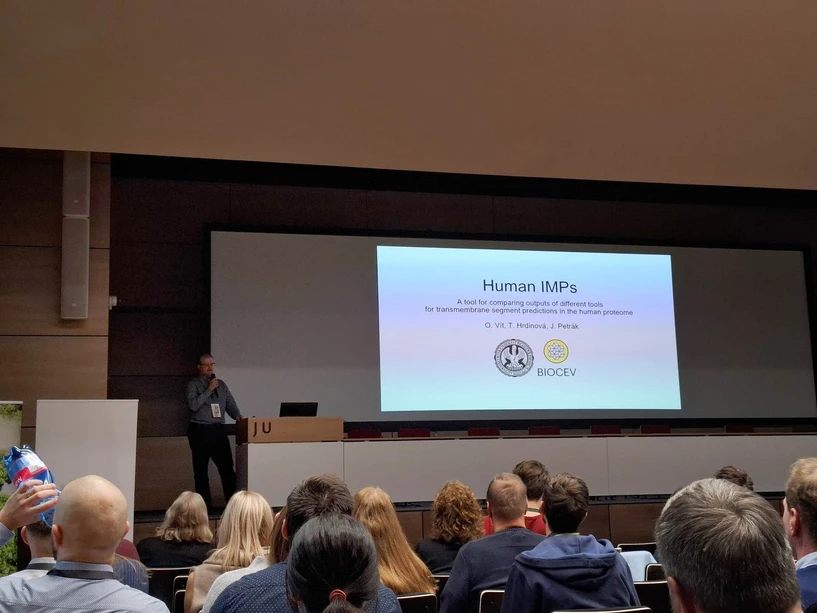 ČSHS: 13. Česká konference hmotnostní spektrometrie 2025 a 11. Neformální proteomické setkání - Den 2 (Human IMPs: A tool for comparing outputs of different tools for transmembrane segment predictions in the human proteome, Vít Ondřej)
LC-MS/MS-based terminomics unravels role of carboxypeptidase B1 in luminal A breast cancer (ThS-11)
- Lapčík Petr
Carboxypeptidase B1 (CPB1) is a metalloprotease which cleaves arginine and lysine residues from protein C-termini and was previously associated with lymph node metastasis in low-grade luminal A breast tumors [1]. Here we aim to better understand the molecular role of CPB1 in breast cancer. To identify CPB1 protein substrates, we analyzed lymph node positive luminal A breast tumors with CPB1 (vs. CPB1 negative control) via trypsin digestion and timsTOF Pro2 LC-MS/MS system. The data were processed in Spectronaut software with semispecific search and in Fragterminomics package in R. Among 76,368 identified peptides (FDR=0.01), 17,748 peptides possessed a C-terminal non tryptic cleavage, including 23 proteins with C-terminal peptides with max. 2 arginine or lysine residues removed from the C-terminus specifically in CPB1-cleaved samples. These include PDXDC1, GANAB and NID2 proteins associated with extracellular localization and cytoskeleton. As confirmation of CPB1 role in metastatic potential of cancer cells, a 3D invasion assay showed increased volumes of spheroids formed by MCF7 cells overexpressing CPB1. To associate CPB1 with clinical-pathological parameters, CPB1 immunohistochemistry was performed for 441 breast tumors. CPB1 staining was significantly associated with lymph node status and relapse in patients of all subtypes, and specifically with relapse of luminal A tumors (n=251; p≤0.05). CPB1 histoscore was related to a shorter relapse-free (RFS) and distant metastasis free survival. Multivariable Cox analysis confirmed CPB1 as the most significant factor associated with RFS in luminal A patients. In conclusion, CPB1 seems to play a significant role in the progression of luminal A breast tumors which could be mediated by cleavage of specific protein substrates.
Mass spectometry in hands of experimental biology: Impaired nucleotide salvage affects de novo synthesis in Drosophila melanogaster (ThS-12)
- Sysel Jakub
Nucleotide metabolism is essential for maintaining cellular homeostasis, with synthesis pathways often impaired in disease. However, the metabolic compensation mechanisms that occur when key enzymes of the nucleotide salvage pathway are disrupted remain poorly understood. Here, we employed LC-MS combined with 13C labelled glucose to trace metabolite flux in Drosophila melanogaster larvae lacking ribokinase (RBKS), a key enzyme in nucleotide salvage. Our results show significantly reduced labelling of intermediate from the de novo synthesis pathway.
This methodology provides new insights into nucleotide metabolism and underscores the importance of the salvage pathway in maintaining nucleotide balance.
Bioaccumulation of pharmaceuticals in herbivorous fish: The role of aquatic plants as a dietary source (ThS-13)
- Hinterholzová Helena
Wastewater treatment plants do not completely remove micropollutants such as pharmaceuticals; therefore, these substances are commonly found in surface waters, where they can persist and bioaccumulate in aquatic organisms. While bioaccumulation in predatory and omnivorous fish is relatively well described in the literature, there are only a very limited number of studies on herbivorous fish. However, these species may represent a key pathway for the transfer of contaminants from plants to higher trophic levels. The aim of this study was to evaluate the bioaccumulation of pharmaceuticals in the tissues of grass carp (Ctenopharyngodon idella) exposed for six months in the Čežárka biological pond (Vodňany, Czech Republic), supplied exclusively with treated wastewater. Water samples, extracts from passive samplers, grass carp tissue samples, and plant samples were analyzed using liquid chromatography with mass spectrometry detection. Of the total of 78 pharmaceuticals analyzed, ten pharmaceuticals were detected in the tissues of grass carp, most commonly antidepressants and cardiovascular drugs. The highest concentrations were found in the kidneys (the sum 33 ng/g ww), followed by the brain, liver, and plasma, while no pharmaceuticals were detected in muscles. The highest bioaccumulation factors (BAF) were observed for norsertraline (up to 5600 L/kg in the brain and 4500 L/kg in the kidneys) and sertraline (1500 L/kg in the kidneys). Pharmaceuticals found in the tissues of the grass carp were also found in aquatic plants, confirming their role as a significant reservoir and dietary source of exposure.
LC-HRMS for large-scale chemical exposure studies (ThS-14)
- Koudelka Štěpán
A novel liquid chromatography - Orbitrap mass spectrometry assay for screening of chemical exposure agents, suited for large-scale population analysis e.g. biomonitoring, clinical trials and cohort studies, has been established within the framework of EIRENE-CZ.
Briefly, analytes are separated upon pentabromobenzyl column with 9-minute methanol gradient, undergo electrospray ionisation and are detected via full scan - all ion fragmentation operated at minimum 60K resolution and scanning 70-1000 m/z. The assay has been applied to extracts of various biofluids (urine, serum, plasma) and environmental matrices (dust, plants, microplastics) within the scope of multiple collaborative initiatives, and has excelled in multi-laboratory comparative non-targeted analysis performance assessments viz. detection coverage (wide physicochemical space, i.e., retention cLogP from −3.34 to 12.95; low detection limits), reliable relative quantification (high linearity and sensitivity) and increased throughput. The assay is accompanied by a five-fold cross-validated quantitative structure retention relationship model, with R2-score of 0.96 and mean absolute error of 0.27 minutes, enabling accurately predicted retention times to support suspect annotation.
We shall present an overview of the iterative method development, quality control and quality assurance procedures implemented, and share the status of ongoing multi-site assay replication across numerous Orbitrap models (Fusion Tribrid, Exploris 480, Exploris 240).
15:40 - 17:00 Přestávka na kávu + posterová sekce
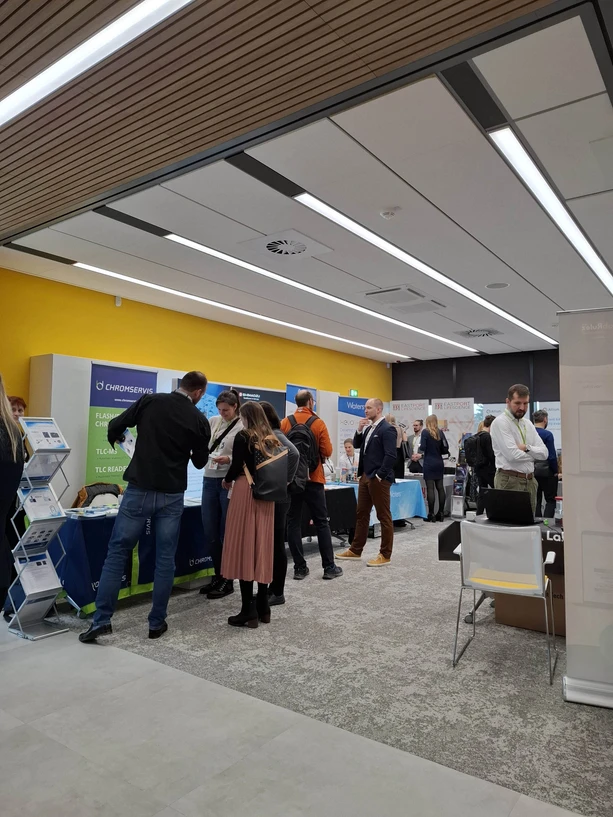
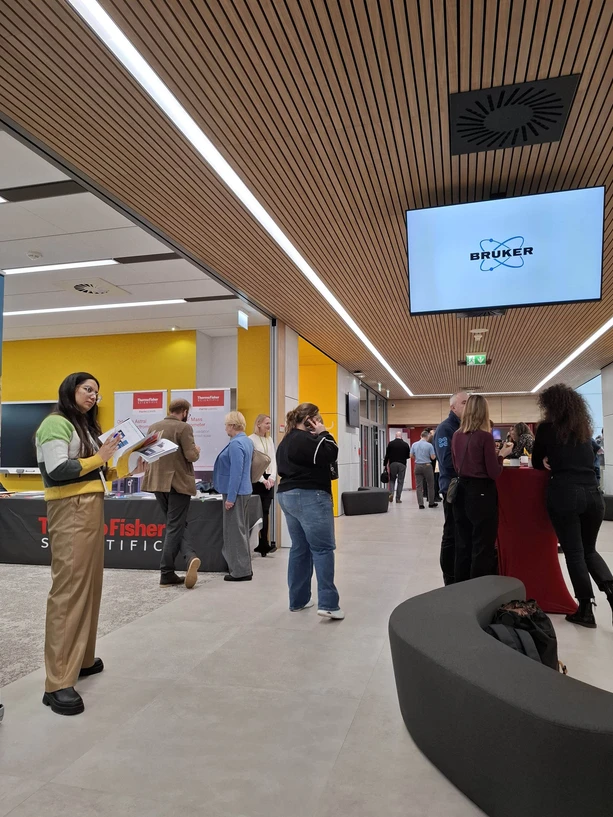 ČSHS: 13. Česká konference hmotnostní spektrometrie 2025 a 11. Neformální proteomické setkání - Den 2 Přestávka na kávu + posterová sekce
17:00 - 17:40 Workshop Bruker
Recent developments in proteomics instrument at Bruker: timsTOF AIP and timsOmni for ultra high sensitivity proteomics, PTM analysis and structural proteomics
- Gary Kruppa
timsMetabo™ Breakthrough 4D-Metabolomics and 4D-Lipidomics Sensitivity, Specificity and Annotation Confidence - at Speed, Depth, and Scale
- Daniel Vláčil
17:40 - 18:00 Přednáška vítěze ceny Josefa Chmelíka
- Blanka Holendová, Fyziologický Ústav Akademie Věd České republiky
Beyond glucose: The crucial role of redox signaling in β-cell metabolic adaptation
Objective: Redox signaling mediated by reversible oxidative cysteine thiol modifications is crucial for driving cellular adaptation to dynamic environmental changes, maintaining homeostasis, and ensuring proper function. This is particularly critical in pancreatic β-cells, which are highly metabolically active and play a specialized role in whole organism glucose homeostasis. Glucose stimulation in β-cells triggers signals leading to insulin secretion, including changes in ATP/ADP ratio and intracellular calcium levels. Additionally, lipid metabolism and reactive oxygen species (ROS) signaling are essential for β-cell function and health.
Methods: We employed IodoTMT isobaric labeling combined with tandem mass spectrometry to elucidate redox signaling pathways in pancreatic β-cells.
Results: Glucose stimulation significantly increases ROS levels in β-cells, leading to targeted reversible oxidation of proteins involved in key metabolic pathways such as glycolysis, the tricarboxylic acid (TCA) cycle, pyruvate metabolism, oxidative phosphorylation, protein processing in the endoplasmic reticulum (ER), and insulin secretion. Furthermore, the glucose-induced increase in reversible cysteine oxidation correlates with the presence of other post-translational modifications, including acetylation and phosphorylation.
Conclusions: Proper functioning of pancreatic β-cell metabolism relies on fine-tuned regulation, achieved through a sophisticated system of diverse post-translational modifications that modulate protein functions. Our findings demonstrate that glucose induces the production of ROS in pancreatic β-cells, leading to targeted reversible oxidative modifications of proteins. Furthermore, protein activity is modulated by acetylation and phosphorylation, highlighting the complexity of the regulatory mechanisms in β-cell function.
18:00 - 18:20 Schůze ČSHS, přednášková místnost
18:00 - 18:20 Neformální setkání Proteomické sekce ČSBMB, posterová místnost
19:00 - 22:00 Slavnostní večeře – Restaurace Solnice
21:00 Volitelná prohlídka Českých Budějovic s průvodcem – sraz na náměstí u kašny


