

Connecting Microbiology and Toxicology: LC-MS/MS Methods for Cereulide Quantitation in Food Matrices
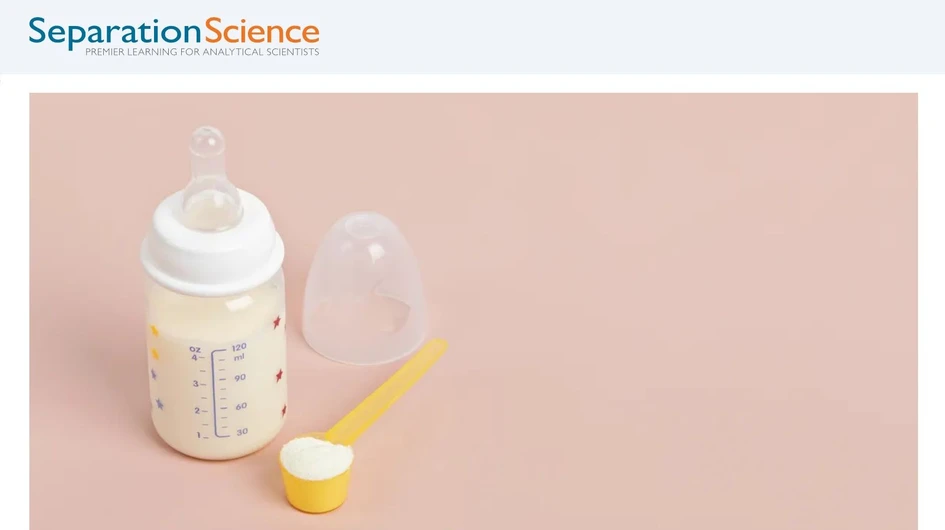
Standard microbiological screening only detects viable bacteria, leaving heat-stable emetic toxins unquantified. Cereulide survives sterilization and remains in food long after Bacillus cereus has been destroyed. This surveillance gap became visible during the 2025–2026 infant formula recalls, when contaminated arachidonic acid (ARA) oil passed standard assays simply because no living organism was present.
This webinar details an LC-MS/MS protocol developed specifically for these dietary ingredients, with repeatability below 9% and spike recoveries from 87% to 103%. It establishes the analytical confidence needed for proactive risk assessment of specialty ingredients historically absent from routine monitoring.
By attending this webinar, you will:
- See how an LC-MS/MS method reaches a 0.05 µg/kg limit of quantitation for cereulide across infant formula, ARA oil, and dairy products
- Examine the validation parameters that confirm the method holds across powders, oils, and emulsions where conventional sample prep breaks down
- Understand how the method aligns with EFSA recommendations and the established Acute Reference Dose for cereulide
Who should attend?
- This webinar is ideal for food safety and quality assurance professionals, analytical chemists, and microbiologists working in the food, dairy, and infant nutrition industries.
Presenter: Dr. Ming Gao (Senior Research Chemist at Mérieux NutriSciences)
Dr. Ming Gao is a Senior Research Chemist at Mérieux NutriSciences, where he has been a key member of the R&D team (now RDI) in Crete, IL since 2015. His expertise lies in method development and validation using LC-MS, HPLC, GC, and GC-MS platforms. His recent achievements include the development of advanced analytical methods for detecting emetic toxins and PFAS via LC-MS/MS, carotene and asparagine via HPLC, and ethylene/propylene oxide via GC-MS/MS. Dr. Gao has been an active member of AOAC International since April 2016 and joined the AOAC PFAS Working Group in December 2022. He currently leads several projects, ensuring their efficient and timely execution. To date, Dr. Gao has authored one book chapter, one patent, and 19 peer-reviewed journal articles, with publications in JACS, PNAS, and JAOAC.


