

High-throughput stability screening strategies for antibody formulation
High-concentration antibody formulations provide patients with the flexibility of self-administered subcutaneous dosing. However, achieving stability and manufacturability of these solutions can lead to increasingly complex formulation development. With expansive libraries of protein variants and formulation conditions to evaluate, researchers need smarter, faster, and more comprehensive analytical tools to ensure chemical stability and optimal delivery characteristics.
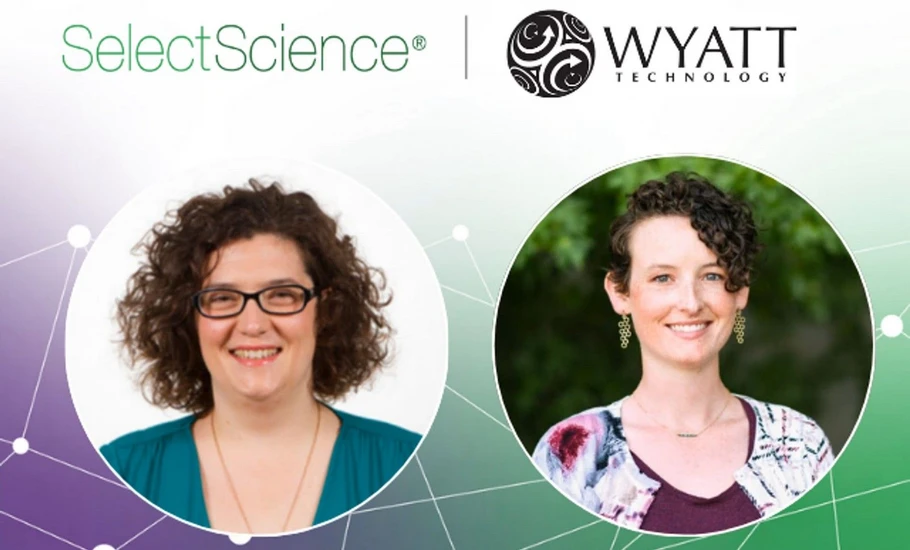
Join Dr. Sophia Kenrick of Waters | Wyatt Technology and Dr. Christine Nervig of TA Instruments as they present complementary approaches to stability characterization, leveraging high-throughput technologies:
- High-throughput dynamic and static light scattering (DLS/SLS): These techniques provide rapid, sensitive indicators of aggregation and colloidal stability across a wide range of conditions.
- Rapid screening-differential scanning calorimetry (RS-DSC): This next-generation DSC platform enables simultaneous, low-volume measurements to assess protein unfolding and conformational stability with exceptional throughput.
Discover how these complementary methods offer a high-resolution, high-throughput solution for evaluating thermal, colloidal, and long-term stability, to empower scientists to make faster, data-driven decisions in the development of stable, effective biologics.
Key learning objectives:
- Understand how protein stability influences candidate and formulation selection during biotherapeutic development.
- Recognize the benefits of high-throughput analysis for accelerating workflows in the biopharmaceutical industry.
- Learn how DLS/SLS and DSC can be applied to comprehensively assess thermal, colloidal, and long-term stability.
Who should attend?
- Formulation scientists and protein engineers involved in developing high-concentration biologics.
- Analytical and biophysical characterization teams responsible for evaluating aggregation, conformational, and conformation stability.
- Biopharmaceutical R&D leaders and project managers overseeing biologics development pipeline looking for orthogonal approaches that streamline collection and decision making.
Certificate of attendance
- If you attend the live webinar, you will automatically receive a certificate of attendance, including a learning outcomes summary, for continuing education purposes.
- If you view the on-demand webinar, you can request a certificate of attendance by emailing [email protected].
Presenter: Dr. Sophia Kenrick (Director, Analytical Services, Waters | Wyatt Technology)
Dr. Sophia Kenrick received her Ph.D. in Chemical Engineering from the University of California, Santa Barbara. She joined Wyatt in 2010 and now acts as Director of Analytical Services, where she supports emerging applications for light scattering instrumentation and the development of new solutions to address customer applications. These include the development of platform LC-MALS, CG-MALS, and DLS methods for biophysical characterizations of proteins, excipients, and other biotherapeutics.
Presenter: Dr. Christine Nervig (R&D Applications Scientist, TA Instruments)
Dr. Christine Nervig is a Senior R&D Applications Scientist at TA Instruments, based in Lindon, Utah. She is a biological chemist with an extensive background in the development and evaluation of antibody, protein, and peptide conjugates for the targeted delivery of small molecule therapeutics. At TA Instruments, Dr. Nervig specializes in biophysical characterization of biologic drug products, supporting the development of cutting-edge biophysical characterization instrumentation.
Moderator: Olivia Long (Editorial Team, SelectScience)


