

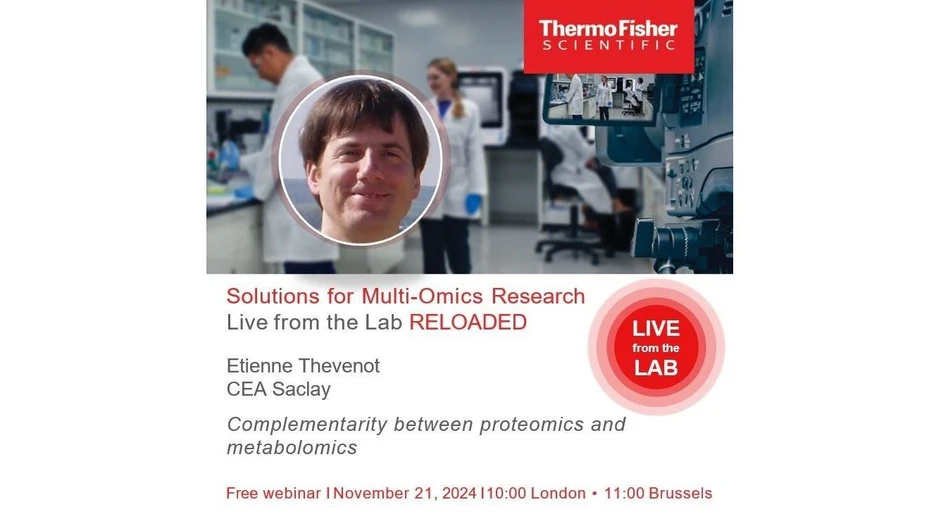
Complementarity between proteomics and metabolomics
The research team successfully generated and analyzed proteomics and metabolomics data, sharing these with the scientific community. They developed statistical workflows for single and multi-omics levels, enabling biological interpretation by combining these modalities. Despite the limitation of using only 42 animals, they emphasized the need for more subjects for better cross-validation of predictors and classifiers. Future applications could involve other knockout mice, focusing on specific questions regarding liver or plasma and extending the workflow to larger scales, including mutants, mouse models, or cells.
The team published both raw and processed data, along with the code, as part of a premises package. They conducted hypothesis testing to identify significant features in the data sets, finding valuable information at the molecular level. They compared annotated and non-annotated metabolomics data, finding little performance difference, indicating additional information from non-annotated metabolites isn't crucial for prediction.
Biological pathway analysis revealed significant impacts on protein synthesis and ribosomes in the liver. The team also explored various classifiers for genotype prediction, noting good predictive performance except in preclinical plasma data, underscoring the value of molecular-level studies.
Learning points:
- Importance of Molecular-Level Analysis
- Effective Data Sharing and Workflow Development
- Challenges and Future Directions
Who should attend:
- Researchers and professionals in the fields of proteomics, genomics, and molecular biology, specifically those involved in the study of knockout mice, biomarker discovery, and the development of statistical workflows for multi-omics data analysis.
- Bioinformaticians, computational biologists, and those working on the integration and interpretation of complex biological data sets.
Presenter: Etienne Thevenot (CEA Saclay)


