ISC 2026 - the 35th International Symposium on Chromatography
ABOUT ISC 2026
The International Symposium on Chromatography (ISC) represents the oldest conference series on separation science. ISC symposia have been organised since 1956 in each even year. ISC is one of the premier meetings series for discussion of all modes of chromatography and separation science with a broad coverage of techniques and applications.
The major focus of the symposium will be on the impact of chromatography and separation science to meet the needs of the pharmaceutical, environmental, food and health industry, as well as science and medicine. The symposium programme will reflect these themes and highlight new challenges and emerging opportunities for the science and marketing of separation and detection systems and methods.
As an integral part of the scientific programme of lectures and poster sessions, an international exhibition and vendor seminars on instrumentation and services for chromatography, separation science and mass spectrometry will be organised. ISC 2026 will provide the perfect forum for attendees from academia, industry and government research institutions for scientific exchange and networking.
REGISTRATION
REGISTRATION FEES in EUR including VAT
Early-Bird Registration (until 15 May 2026)
- Industry: 850
- Academic, Government: 650
- Student*: 290
- Student* + 3 short courses: 390
- Short Courses**: 190
- Accompanying Persons: 190
- Gala Dinner: 100
Late Registration
- Industry: 1,000
- Academic, Government: 780
- Student*: 340
- Student* + 3 short courses: -
- Short Courses**: 230
- Accompanying Persons: 190
- Gala Dinner: 100
Onsite Registration
- Industry: 1,150
- Academic, Government: 890
- Student*: 390
- Student* + 3 short courses: -
- Short Courses**: 270
- Accompanying Persons: 190
- Gala Dinner: 100
*The student fee applies only to full-time students. This does not include individuals who are employed and pursuing a PhD or other degree part-time. Participants registering under this category are required to upload a valid proof of full time student status (e.g., confirmation from the university or a student ID) directly in the registration form.
**The price covers up to 3 short courses for a single flat rate.
All the above fees are in EUR and include a local VAT of 21 %.
FULL REGISTRATION FEES INCLUDE:
- Access to oral and poster sessions
- Access to the exhibition hall
- Welcome Reception on Sunday, 6 September 2026
- Scheduled lunches and coffee breaks as per the programme
- Electronic Book of Abstracts
- Prague public transportation pass
ACCOMPANYING PERSON FEES INCLUDE:
- Access to the exhibition hall
- Welcome Reception on Sunday, 6 September 2026
- Scheduled lunches and coffee breaks as per the programme
The accompanying persons do not have access to the scientific programme.
ABSTRACT SUBMISSION
GENERAL INFORMATION & DEADLINES
- Abstracts must be submitted electronically via the Online Portal.
The abstract submission deadlines depend on the authors’ presentation preference and are as follows:- Oral Presentation: 11 March 2026
- Poster Presentation: 1 June 2026
- Late-Breaking Poster: 30 July 2026
The submitted abstracts can be modified until 11 March 2026 for oral presentations and 1 June 2026 for poster presentations to be included in the preliminary program. After the submission deadlines, all abstracts will automatically be considered final.
Abstracts received by e-mail or after the deadlines will not be considered for the ISC 2026 Symposium.
- Abstracts must be submitted under one of the designated scientific topics, categorized into three parallel program tracks.
- The abstracts with oral presentation preference will be reviewed by the ISC 2026 Scientific Committee, which will assess both their formal aspects and scientific content. The abstracts with poster preference will be reviewed by the Local Organising Committee, which will decide which abstracts are accepted and may reconsider the final presentation type if necessary.
- All presenting authors who selected the oral presentation preference will receive an acceptance or rejection notification via e-mail by 21 April 2026. Authors who submit their abstracts with a poster preference by 5 May 2026 will be notified of the outcome by 12 May 2026 and will have the opportunity to register at the early-bird rate until 15 May 2026.
All the other abstracts with poster preference submitted after 5 May 2026 will be notified of the outcome by 16 June 2026, and by 11 August 2026 for late-breaking poster presentations. - Accepted and registered abstracts will be published in the Abstract Book. Please ensure that your abstract has been carefully checked for correct spelling, punctuation, grammar, and formal structure. Authors are fully responsible for the abstract content. The organizer reserves the right to edit the accepted abstracts prior to publication if necessary. Please note that late-breaking posters will not be included in the electronic Abstract Book.
- All oral presenting authors are required to register by 15 May 2026. Any oral presentation whose presenting author is not registered by this date will be withdrawn from the program. The author registration deadline is 30 June 2026 for accepted poster authors and 18 August 2026 for accepted late-breaking poster authors.
- The number of abstracts submitted per presenting author is limited to one. Once the submission is completed, the system will not allow additional abstracts to be submitted. You may be listed as a co-author on other abstracts but not as the presenting author.
- Submission of an abstract constitutes a commitment to attend the symposium or to send a qualified substitute who is capable of presenting the work and answering related questions.
- An invitation to submit an abstract does not constitute an offer to cover travel, accommodation, or registration expenses associated with the symposium.
ABSTRACT FORMATTING GUIDELINES
- All abstracts must be written in English.
- A preferred presentation type must be selected during submission from the following options:
- Oral Presentation
- Oral Presentation or Poster Presentation
- Poster Presentation
- The abstract title is limited to 180 characters and must use Sentence case – capitalizing only the first word and any proper nouns, while keeping all other words in lowercase (e.g., This is the title of my abstract).
- Up to 16 authors may be listed for one abstract (including the presenting author).
- The first author listed is considered the main author.
- The abstract text must not exceed 400 words.
- Figures or images are not permitted in the abstract text.
- Adding references is optional. If you wish to include references in your abstract, please note that they count toward the abstract word limit, and you are requested to use the following citation style (see example):
- [1] J. van der Geer, T. Handgraaf, R.A. Lupton, J. Sci. Commun. 163 (2020) 51 – 59.
SCIENTIFIC PROGRAM
SHORT COURSES
SC 1 Modern HPLC Separation in Theory and Practice
SATURDAY, 5 SEPTEMBER 2026, 9:30 – 17:00
- Lucie Nováková
- Jiří Urban
- Petr Česla
- Michal Douša
SC 2 The Analytical Procedure Lifecycle Approach: from Procedure Design to Performance Assessment using AQbD Principles
SUNDAY, 6 SEPTEMBER 2026, 8:30 – 11:45
- Jean-Marc Roussel
- Amanda Guiraldelli
SC 3 Interpretation of Mass Spectra: Basic Introduction for Chromatographers
SUNDAY, 6 SEPTEMBER 2026, 8:30 – 11:45
- Josef Cvačka
SC 4 Hydrophilic Interaction Liquid Chromatography
SUNDAY, 6 SEPTEMBER 2026, 8:30 – 11:45
- Davy Guillarme
SC 5 Oligonucleotides and Other Biopharmaceuticals
SUNDAY, 6 SEPTEMBER 2026, 12:30 – 15:45
- Koen Sandra
SC 6 Statistical Analysis and Visualization of Quantitative LC/MS Data in R
SUNDAY, 6 SEPTEMBER 2026, 12:30 – 15:45
- Jakub Idkowiak
SC 7 Supercritical Fluids in Chromatography and Extraction
SUNDAY, 6 SEPTEMBER 2026, 12:30 – 15:45
- Isabelle Francoise
- Caroline West
INVITED SPEAKERS
Takeshi Bamba
- Takeshi Bamba is a Distinguished Professor in the Division of Metabolomics, Medical Research Center for High Depth Omics, Kyushu University, Japan. He received his Ph.D. in engineering from Osaka University and has pioneered innovative analytical platforms integrating chromatography and mass spectrometry for next-generation metabolomics. Prof. Bamba has authored over 250 publications, contributing significantly to the advancement of metabolomics and lipidomics through technological innovation and broad applications.
Detlev Belder
- Detlev Belder is a full professor of analytical chemistry at the University of Leipzig. His research focuses on lab-on-a-chip technology as an enabling science in chemistry. The Belder group is well known for miniaturised separation techniques such as chip electrophoresis and chip HPLC and for novel concepts in digital microfluidics. The laboratory also works on detection methods such as coupling microfluidic chips with mass spectrometry or ion mobility spectrometry, as well as optical methods such as fluorescence and Raman microscopy. In recent years, a particular focus has been on integrated chip laboratories that combine chemical reactors and analysis units. Professor Belder has been honoured with several awards, including the Gerhard Hesse Prize (2015) and the Fresenius Prize (2019).
Bogusław Buszewski
- Prof. Dr. Bogusław Buszewski is a graduate of the Maria Curie-Skłodowska University in Lublin (Poland). In 1986 he obtained a PhD degree, and in 1992 a DrSc (habilitation). In 1994, he was appointed professor at the Nicolaus Copernicus University in Toruń. He was a scholarship holder of the Alexander von Humboldt Foundation at the University of Tübingen (Germany), a postdoctoral student at Kent State University (Ohio, USA) and a visiting professor at numerous universities worldwide. His main scientific interests concern separation sciences (HPLC, GC, CZE, FFF, ICP, MALDI, MS), adsorption, columns and stationary phases, sample preparation, environmental and bioanalysis (-omics, biomarkers), nanotechnology and chemometrics. He is the author or co-author of 16 books, numerous patents and over 750 scientific papers (over 35,000 citations, h=84) and serves on 26 editorial boards. He is among the World’s Top 2% Scientists and holds leading roles in separation science organizations, including the Central European Group for Separation Sciences and the Polish Academy of Sciences.
Deirdre Cabooter
- Deirdre Cabooter is a Full Professor at the Department of Pharmaceutical and Pharmacological Sciences at the University of Leuven (KU Leuven) in Belgium. Her research focuses on mass transfer phenomena in liquid chromatography, the analysis of complex samples in pharmaceutical, environmental and food applications using 1D-LC and 2D-LC, and automated method development based on artificial intelligence. She received the LCGC Emerging Leader in Chromatography Award (2017), the Jubilee Medal of the Chromatographic Society (2020), the JFK Huber Lecture Award (2023) and has been an editor of Journal of Chromatography A since 2018.
Alejandro Cifuentes
- Alejandro Cifuentes is a Full Research Professor at the National Research Council of Spain (CSIC) in Madrid, Head of the Laboratory of Foodomics and Director of the Metabolomics Platform (CSIC + UAM). He was the Founding Director of the Institute of Food Science Research from CSIC. His work focuses on advanced analytical methods for Foodomics, food quality and safety, and the isolation and characterization of natural bioactive compounds and their effects on human health. He serves on 21 editorial boards, is Specialty Chief Editor of Frontiers in Nutrition, Editor of TrAC–Trends in Analytical Chemistry and Editor-in-Chief of Exploration of Foods and Foodomics. He defined the discipline of Foodomics and is listed in the Top 2% World Scientists ranking.
Gert Desmet
- Gert Desmet has a PhD in chemical engineering from the Vrije Universiteit Brussel (VUB), where he is a full professor. His research focuses on the miniaturization and automation of separation methods and on the investigation and modeling of flow effects in chromatographic systems. He has authored or co-authored more than 450 peer-reviewed papers, serves as Deputy-Director of the Solvay Institute for Chemistry, is an Associate Editor for Analytical Chemistry, received an ERC Advanced Grant, and is a member of the permanent scientific committees of the international HPLC and ISC conference series.
Tony Edge
- Dr. Tony Edge has worked in chromatography for more than 30 years at organizations including AstraZeneca, Thermo Scientific, Agilent and Avantor, where he led R&D teams developing next-generation separation and extraction media. He developed methods for bioanalytical workflows and manufacturing applications. He received the Desty Memorial Lecture award in 2004 for innovation in separation science and a clinical excellence award the same year. His current interests focus on improving extraction processes and high-temperature chromatography.
Sebastiaan Eeltink
- Sebastiaan Eeltink received his PhD in Chemistry in 2005 from the University of Amsterdam for work on packed and monolithic capillary columns for LC. He performed post-doctoral research at the University of California, Berkeley, and was a guest scientist at The Molecular Foundry (LBNL). In 2007 he joined Dionex (now Thermo Fisher Scientific) as an advisor. In 2009 he received the Odysseus award to establish his research group at the Vrije Universiteit Brussel. He is full professor involved in BSc and MSc teaching at VUB and ULB and serves as vice-chair of the Doctoral Committee of the Engineering Faculty.
Jennifer van Eyk
František Foret
Ana Maria García-Campaña
- Ana Maria García-Campaña is Full Professor at the University of Granada (Spain) and leader of the research group “Quality in Food, Environmental and Clinical Analytical Chemistry”. Her work focuses on liquid chromatography and capillary electrophoresis coupled with mass spectrometry, fluorescence or ion mobility spectrometry for food and environmental quality control, contaminant monitoring and exposomic studies. She develops sustainable analytical methodologies and innovative sample treatments, is author of 246 articles, several books and 301 book chapters (h-index 54), serves as Vice-Rector of Postgraduate Studies, Vice-President of the Spanish Society of Chromatography and Related Techniques, and is listed in Stanford’s “World’s Top 2% Scientists”.
Martin Gilar
- Dr. Martin Gilar received his Ph.D. in analytical chemistry from the Institute of Chemical Technology in Prague in 1996. He completed postdoctoral work at Hybridon Inc. and Northeastern University, developing separation methods for antisense oligonucleotides and a fraction collector for DNA. Since 1998 he has worked at Waters Corporation, where he is a Research Fellow in the Separations R&D group. With 30+ years of experience in chromatography, electrophoresis and mass spectrometry, his research focuses on biopolymers, peptides and nucleic acids. He has published over 75 peer-reviewed papers and received the Jaroslav Janák Medal (2022) and the Chromatographic Society Jubilee Medal (2023).
Fabrice G. Gritti
- Fabrice G. Gritti earned his Ph.D. in Chemistry and Physics of Condensed Matter from the University of Bordeaux I in 2001. He worked with Prof. Georges Guiochon at the University of Tennessee until 2014 and joined Waters Corporation in 2015 as a consultant scientist. His research targets adsorption thermodynamics and mass transfer in chromatographic media. He has published over 300 peer-reviewed articles, delivered more than 95 keynote lectures, and has received major awards including the A.J.P. Martin Medal (2024) and the Csaba Horvath Memorial Award (2023).
Davy Guillarme
- Davy Guillarme is an Associate Professor at the University of Geneva, Switzerland. With over 350 journal publications, his expertise spans UHPLC, HILIC, LC–MS, SFC, SFC–MS and multidimensional LC, especially for biopharmaceutical characterization. He is an editor of Journal of Chromatography A and serves on several editorial advisory boards. He has received the LCGC Emerging Leader in Chromatography Award (2013), the Jubilee Medal of the Chromatographic Society (2018), the International Award of the Belgian Society of Pharmaceutical Sciences (2022) and the Csaba Horvath Memorial Award (2025).
Kenji Hamase
- Kenji Hamase graduated from The University of Tokyo and obtained his Ph.D. in 1996. He subsequently joined Kyushu University, becoming a full Professor in 2016 and Vice Dean for International Affairs in 2018. He is president of The Society for Chromatographic Sciences (Japan), Editor of the Journal of Pharmaceutical and Biomedical Analysis and a permanent international committee member of the HPLC and PBA conferences. His research focuses on multidimensional HPLC methods for chiral amino acids and related compounds to study physiological functions, diagnostic value and functional food design.
Gérard Hopfgartner
Christian Huber
- Christian Huber trained as an analytical chemist at the University of Innsbruck, focusing on chromatographic separation methods for biopolymers. After a postdoc with Csaba Horváth at Yale University, he obtained lecturing qualification in analytical chemistry at Innsbruck in 1997. He later served as professor at Saarland University, working on multidimensional chromatography, proteomics, metabolomics and MS data mining. Since 2008 he has been professor of chemistry for biosciences at the University of Salzburg. His current research includes proteome and metabolome analysis of disease models and in-depth (glyco-)protein characterization by HPLC–MS.
Tomáš Jungwirth
- Tomáš Jungwirth is Head of the Department of Spintronics at the Institute of Physics of the Czech Academy of Sciences, Chair Professor at the University of Nottingham (UK) and Distinguished Professor at Tohoku University (Japan). He contributed to the discovery of the spin Hall effect and helped initiate antiferromagnetic spintronics by demonstrating ultra-fast, scalable memory devices. His team’s discovery of altermagnetism was selected among the 10 Breakthroughs of the Year 2024 by Science. He is a Clarivate Highly Cited Researcher.
Jörg P. Kutter
- Professor Dr. Jörg P. Kutter holds a B.Sc. and Ph.D. in analytical chemistry from the University of Ulm, Germany, focusing on chromatographic and electrophoretic techniques. As a postdoctoral fellow at Oak Ridge National Laboratory, he developed microchip-based analytical tools. He joined the Technical University of Denmark in 1998 and became professor in experimental lab-on-a-chip systems in 2006. Since 2013 he has been Chair of Analytical Biosciences at the University of Copenhagen. His research interests center on miniaturized separation and sample preparation methods.
Michael Lämmerhofer
- Michael Lämmerhofer is Full Professor for Pharmaceutical (Bio-)Analysis at the University of Tübingen, Germany. He graduated in Pharmaceutical Sciences (1992) and obtained his PhD in Pharmaceutical Chemistry (1996) at the University of Graz. He held positions as assistant and associate professor at the University of Vienna, and was a postdoctoral researcher at UC Berkeley. Since 2007 he has been associate editor and, from 2024, editor-in-chief of Journal of Separation Science. His research includes bioanalysis, pharmaceutical analysis, multidimensional separations, biopharmaceuticals and development of advanced separation materials.
Frédéric Lynen
- Frédéric Lynen is full professor and head of the Separation Science Group at Ghent University. He obtained his PhD in Chemistry there in 2002, followed by postdoctoral work at the University of Stellenbosch and the Pfizer Analytical Research Centre. His research focuses on multidimensional separation tools, green stationary phases for aqueous chromatography, detection technology and retention models supporting structural elucidation via high-resolution MS. Active in both targeted and non-targeted analysis of complex samples, he has published over 170 papers and received the Chromatographic Society’s Jubilee Medal in 2019.
John A. McLean
- John A. McLean is Dean of Research Graduate Education, Stevenson Professor of Chemistry, and Director of the Center for Innovative Technologies at Vanderbilt University. His group designs and builds ion mobility and structural mass spectrometers tailored to complex samples in systems, synthetic and chemical biology. These tools are applied to drug discovery, personalized medicine and human-on-chip synthetic biology platforms. He is a Fellow of NAI, AAAS, RCS and ASMS, has published over 200 manuscripts and holds more than 30 patents.
Peter Meikle
- Professor Peter Meikle is a Senior Principal Research Fellow, Co-Lead of the Obesity and Metabolic Diseases Program and Head of the Metabolomics Laboratory at the Baker Heart and Diabetes Institute. His research focuses on dysregulated lipid metabolism in metabolic diseases including obesity, diabetes, cardiovascular and Alzheimer’s disease, and its role in disease pathogenesis. This work is leading to new approaches for early diagnosis, risk assessment and lipid-modulating therapies for chronic disease.
Myeong Hee Moon
- Myeong Hee Moon received his B.S. in Chemistry from Yonsei University (1987) and Ph.D. from the University of Utah (1991) under Prof. Calvin J. Giddings. After starting his career at Kangnung National University in 1994, he joined Yonsei University in 2003. His research focuses on advanced flow field-flow fractionation (flow FFF) methods, including frit-inlet asymmetrical flow FFF and miniaturized flow FFF channels coupled with ESI-MS/MS for lipid analysis. He has served as president of the Korean Society of Mass Spectrometry, vice president of the Korean Chemical Society and a member of the Executive Committee of the International Mass Spectrometry Foundation.
Bob Pirok
- Bob Pirok is an associate professor of analytical chemistry at the University of Amsterdam. After earning his cum laude PhD in 2019, he has focused on chemometrics-driven method development, lab automation and data analysis for one- and multidimensional chromatography, leveraging machine learning, retention modeling and reaction/modulation strategies. He is a visiting professor in Dwight Stoll’s group at Gustavus Adolphus College, received the HTC Innovation Award for AutoLC and AI-assisted method design and the Csaba Horváth Young Scientist Award. He leads NWO-funded consortia and co-authored the textbook Analytical Separation Science.
Giorgia Purcaro
- Giorgia Purcaro is a full professor at the Gembloux Agro-Bio Tech Department, University of Liège, Belgium. Her research focuses on miniaturized and multidimensional analytical solutions for food safety and quality. She has authored over 150 publications and more than 250 conference presentations. She received the Leslie Ettre Award for contributions in capillary chromatography and the J. Philips Award for GC×GC, and has been repeatedly listed among the Top 2% World Scientists by Stanford University.
Koen Sandra
- Koen Sandra received a PhD in Biochemistry from Ghent University in 2005. He joined Pronota, a molecular diagnostics company, working on analytical platforms for biomarker discovery and external collaborations, and later became CEO of RIC, a company providing analytical support to the chemical, life sciences and pharmaceutical industries. As a non-academic scientist, he has authored over 50 highly cited scientific papers and has presented his work widely as an invited speaker.
Oliver J. Schmitz
- Since 2012 Oliver J. Schmitz has been a full professor at the University of Duisburg-Essen and chair of the Institute of Applied Analytical Chemistry. In 2018 he co-founded, with Agilent, the Teaching and Research Center for Separation (TRC) at the university. His main research area is separation science, focusing on non-target analysis of complex samples, ion source development, multidimensional LC and GC, ion mobility–MS and metabolomics. He received the Gerhard-Hesse Prize for chromatography in 2013 and the Andrzej Waksmundzki Medal in 2019.
Dwight R. Stoll
- Dwight R. Stoll is Professor and Co-Chair of Chemistry at Gustavus Adolphus College in St. Peter, MN. He has authored over 100 peer-reviewed publications and five book chapters in separation science, co-edited the book Multi-Dimensional Liquid Chromatography, writes the monthly “LC Troubleshooting” column for LCGC Magazine and co-hosts the Analytically Speaking podcast. His research focuses on 2D-LC for targeted and untargeted analyses, with contributions spanning stationary phase characterization, biopharmaceutical analysis, new methodologies, instrumentation and fundamental aspects of gradient LC.
František Švec
- František Švec works at the Faculty of Pharmacy, Charles University in Hradec Králové, Czech Republic. He has authored over 560 publications with more than 25,000 citations and an h-index around 100. He is best known for his pioneering research on monoliths and their applications in separation science and is currently focusing on novel sorbent formats for sample preparation.
Zoltan Takats
Mario Thevis
- Mario Thevis graduated in organic chemistry and sports sciences in 1998, earned his PhD in Biochemistry in 2001 and completed postdoctoral research at UCLA in 2002. He was appointed Professor for Preventive Doping Research at the German Sport University Cologne in 2006. Since 2017 he has been director of the WADA-accredited anti-doping laboratory Cologne and the Institute of Biochemistry in Cologne. He is a qualified forensic chemist and a leading figure in doping control research.
André de Villiers
- André de Villiers is a Professor in Analytical Chemistry at Stellenbosch University, South Africa. His research spans fundamental and applied chromatographic separations, with emphasis on natural product analysis. He works extensively with comprehensive 2D-LC and GC, ion mobility spectrometry and advanced MS. He has authored more than 100 scientific papers and received the Csaba Horváth Award (2009) and LCGC’s Emerging Leader in Chromatography Award (2014).
Caroline West
- Caroline West is a full professor at the University of Orléans, France. A specialist in SFC, she applies SFC (with or without extraction or MS coupling) to pharmaceutical and natural product analysis. She has authored about 140 papers and book chapters and given around 130 lectures. She received the LCGC Emerging Leader in Chromatography award (2015), has repeatedly been listed among the most influential people in analytical chemistry by The Analytical Scientist, and holds the Jubilee Medal (2021) and JFK Huber Award Lecture (2025).
Steven Ray Wilson
- Steven Ray Wilson is a Professor in the Department of Chemistry, University of Oslo. He develops and applies hyphenated systems (robust SPE–LC, 2D-LC, LC–NMR, etc.) for omics and biomedical samples, including cancer stem cells and extracellular vesicles. Recently he has focused on separation science-based systems for microphysiological models (organoids, organ-on-chip, gastruloids), emphasizing robustness, selectivity and online analysis, with the goal of reducing animal experiments and improving patient-relevant models for drug discovery.
Adam T. Woolley
- Adam T. Woolley earned his Ph.D. in Chemistry from the University of California, Berkeley (1997) and was a Runyon-Winchell Postdoctoral Fellow at Harvard University (1998–2000). He has been on the faculty at Brigham Young University since 2000, where he is University Professor and Dean of Graduate Studies. His research is at the interface between miniaturization and biomolecules, including 3D-printed microfluidics for bioanalysis, miniaturized assays for disease-linked biomarkers and biotemplated fabrication of nanoelectronic devices.
Guowang Xu
- Prof. Dr. Guowang Xu received his Ph.D. from the Dalian Institute of Chemical Physics, Chinese Academy of Sciences (CAS), in 1991. He is president of the Chromatography Committee of the Chinese Society of Chemistry, deputy director of the Environmental Exposure Science Committee of the Chinese Society for Environmental Sciences and a council member of the Chinese Chemical Society. He has co-written 5 books, published 580+ peer-reviewed papers and holds more than 100 China patents (H-index 82/103). His main research fields are chromatography–MS technique development and MS-based bulk, single-cell and spatial metabolomics/exposomics for disease typing, biomarker discovery, new treatment strategies, traditional Chinese medicines and food safety.
John R. Yates
- John R. Yates is the John Lytton Young Professor at Scripps Research. His research includes the development of integrated methods for tandem MS analysis of protein mixtures, bioinformatics for MS data and biological studies in proteomics. He is the lead inventor of the SEQUEST software and a pioneer of shotgun proteomics. His laboratory has developed techniques to analyze protein complexes, PTMs, organelles and quantitative protein expression for biological studies.
SOCIAL PROGRAM
Welcome Reception
- Date: Sunday, 6 Sep 2026
- Time: 19:00–20:00
- Venue: Prague Congress Centre, 2nd floor foyer
To welcome all delegates and provide an opportunity to meet old friends and make new ones before the scientific sessions begin.
The event includes a light buffet and drinks.
All registered participants and accompanying persons are kindly welcome.
Gala Dinner at Žofín Palace
- Date: Wednesday, 9 Sep 2026
- Time: 19:00–24:00
- Venue: Žofín Palace, Slovanský ostrov 226, Prague 1
- Ticket: 100 EUR
Enjoy a memorable evening at one of the most beautiful venues in Prague. The gala dinner offers an elegant setting for pleasant conversation, delicious food, and entertainment.
Dress code: smart casual.
Gala dinner is not included in the registration fee.
The transportation is not provided.
Farewell Drink
- Date: Thursday, 10 Sep 2026
- Time: 15:00–15:30
- Venue: Foyer of the Prague Congress Centre
Please enjoy a farewell drink before heading home or exploring Prague further.
We hope you have enjoyed your stay, met new friends, and loved your time at ISC 2026.
All registered participants and accompanying persons are kindly welcome.
SPONSORSHIP & EXHIBITION
It is our great honor to invite you to participate as a sponsor and exhibitor to the 35th International Symposium on Chromatography (ISC 2026) which will take place in Prague, Czech Republic, from 6 to 10 September 2026.
Take a moment to review the Sponsorship brochure. As always though, nothing is set in stone, and we are very happy to work a package towards your needs and budget, so please reach out to us with any questions and we can arrange a meeting to discuss this further.
For more information, please feel free to contact:
- Lucie Šenková
- Exhibition and Sponsorship Manager
- Mob: +420 725 946 545
- Email: [email protected]
Confirmed Partners
Platinum Sponsor
- Shimadzu
Silver Sponsors
- Chromservis
- DataApex
- Restek
Media Partners
- LabRulez
- LCGC
- The Analytical Scientist
Local Organizing Committee
Josef Cvačka
- Institute of Organic Chemistry and Biochemistry ASCR, Mass spectrometry group
- [email protected]
Petr Česla
- University of Pardubice, Faculty of Chemical Technology, Department of Analytical Chemistry
- [email protected]
Michal Holčapek - chair
- University of Pardubice, Faculty of Chemical Technology, Department of Analytical Chemistry
- [email protected]
Petr Chocholouš
- Charles University, Faculty of Pharmacy, Department of Analytical Chemistry
- [email protected]
Robert Jirásko
- University of Pardubice, Faculty of Chemical Technology, Department of Analytical Chemistry
- [email protected]
Václav Kašička
- Institute of Organic Chemistry and Biochemistry ASCR, Department of Electromigration methods
- [email protected]
Petr Bednář
- Palacky University, Faculty of Science, Department of Analytical Chemistry and RCPTM
- [email protected]
Lucie Nováková - chair
- Charles University, Faculty of Pharmacy, Department of Analytical Chemistry
- [email protected]
Ondřej Peterka
- University of Pardubice, Faculty of Chemical Technology, Department of Analytical Chemistry
- [email protected]
Kateřina Plachká
- Charles University, Faculty of Pharmacy, Department of Analytical Chemistry
- [email protected]
Jiří Urban
- Masaryk University, Faculty of Science, Department of Chemistry
- [email protected]
Destination
THE CZECH REPUBLIC
The Czech Republic is a rather small but charming country situated in the very heart of Europe. Since medieval times it has been a crossroad of intellectual, artistic and culinary influences but also a centre of conflicts.
The official language is Czech. It is very similar to Slovak and Polish. They all belong to the group of West Slavic languages. Czech is a particularly difficult language to learn, since the endings of words change due to many different grammar rules.
MONEY
Czech official currency is “Koruna”, often translated as “Crown”. Although the country hasn’t transferred to Euro yet (unlike many other countries of the European Union) it is possible to use it as a payment method in most restaurants and shops.
PRAGUE
Prague never lets you go… this dear little mother has sharp claws.
Franz Kafka
The capital city of the Czech Republic is poetically considered to be the heart of the European continent. The history is deeply rooted in every building and you can feel the cultural spirit in every step. Different architectural styles have been preserved throughout the wars and years of the communist era so the visitors may compose their own image of Prague. With the Prague Castle, the largest castle complex in the world on one side, facing the Dancing House representing the contemporary architectural tendencies on the other side, visitors can appreciate the centuries of history embedded in the buildings. Prague is not only a city of historical monuments, but also a city for living, where culture is an integral part of things. It is not surprising to find that it has been a source of inspiration for famous Prague residents and personalities, such as Einstein, Kafka, Mozart, van Beethoven.
At the same time, growing since the Velvet Revolution, Prague, the meeting point of Eastern and Western Europe has quickly become a site to host multiple scientific conferences and cultural events. The same goes for movie makers who just love coming to Prague and making it the scene of their movies. You may have seen Prague in motion pictures such as The Bourne Identity (2002), The Illusionist (2006), Casino Royale (2006), Mission: Impossible (1996), and Amadeus (1984).
VENUE
PRAGUE – A ONE STOP SOLUTION
With all of the key requirements in one reconstructed building and just 5 minutes to the city centre using the complimentary public transport ticket, Prague provides a fantastically convenient solution for all ISC delegates.
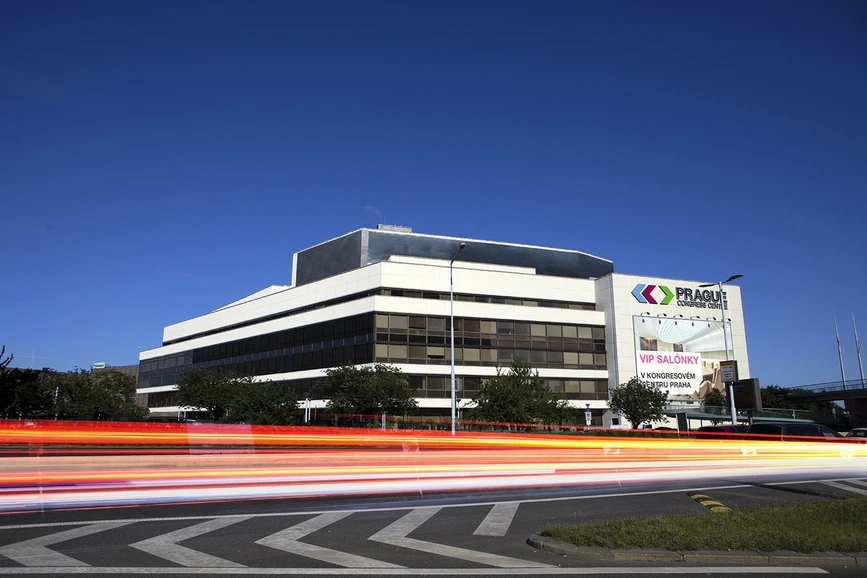 ISC 2026: Prague Congress Centre (PCC).
Prague Congress Centre (PCC)
The Prague Congress Centre is one of the most prominent landmarks of the capital, offering wonderful panoramic views of Prague. It can accommodate events for up to 9,300 participants in more than 50 halls, meeting rooms, and conference rooms of various sizes. Equipped with the latest cutting- edge technology and having undergone reconstruction in January 2018, the Congress Centre has a long-standing tradition of hosting a wide range of international events and meetings of all sizes.
Originally named the Palace of Culture, the Prague Congress Centre evokes Eastern European history in the 20th century, having served communist conventions from its opening in 1981, including the last communist congress in 1989. The venue therefore represents the heritage that not only influenced post-communist European countries, but also grants top-quality conference service.
Due to its central location, the Prague Congress Centre is easily accessible from all hotels within the city, and has a strategic advantage with over 800 hotel rooms available within a five-minute walking distance.